A reading list rather than a service. This page collects freely available material for teachers, home educators and students who want reliable astronomy resources, all of it from established public institutions. Nothing here is sold, and this guide offers no talks, visits, presentations or programmes of any kind.
Why astronomy teaches well
Astronomy is unusual among sciences in that the primary evidence is available to anyone with clear weather and no equipment. A student can measure the changing altitude of the Sun at noon across a term and derive the tilt of the Earth's axis. They can track the Moon's phase and position against the Sun and work out the geometry that produces it. They can watch a planet reverse its direction against the background stars over several weeks and confront exactly the problem that occupied astronomers for two thousand years.
None of that needs a telescope, and all of it produces real data with real error bars. It is one of the few school-accessible routes to genuine measurement rather than demonstration.
Core institutional resources
- NASA Science - the umbrella site for NASA's astrophysics, heliophysics and planetary science, with current mission results and background explanations at several levels of difficulty.
- NASA JPL Education - classroom activities, lesson plans and student projects organised by grade level and subject, with the mathematics and physics worked through properly.
- NASA Space Place - aimed at younger students, with explanations, activities and games built around real mission science.
- StarChild - a long-established learning centre for young astronomers, organised in two difficulty levels, and a good bridge between primary-level curiosity and real terminology.
- Canadian Space Agency - Canadian astronomy and space science material, including this country's role in international observatories and missions.
- H.R. MacMillan Space Centre - the Lower Mainland's public astronomy facility, with a planetarium and exhibits.
Images and visualisation
- Astronomy Picture of the Day - one image a day since 1995, each with a written explanation and links to the underlying science. The archive is an enormous teaching resource in itself, and the explanations are pitched to be readable without being dumbed down.
- NASA Scientific Visualization Studio - freely usable animations and visualisations built from real data, covering everything from lunar phases to climate. Particularly useful for the concepts that are genuinely hard to convey with a static diagram.
- ESA/Hubble - a large public image archive with unusually good explanations of how each image was assembled, which is valuable for teaching that astronomical images are constructed from data rather than photographed like a snapshot.
- European Southern Observatory - outreach material from the Chilean observatories, including material on how large telescopes actually work.
Tools students can use directly
- Stellarium - free planetarium software. Being able to wind the sky forward and backward from your own location is the single most effective way to teach why the sky changes through the night and through the year.
- Heavens-Above - satellite pass predictions. Watching the International Space Station cross the sky at a time you predicted in advance is a memorable demonstration that orbital mechanics is real.
- In-The-Sky.org - event guides and ephemerides for planning around conjunctions, oppositions and eclipses.
Citizen science
The most valuable thing a class can do in this subject is contribute a real measurement to a real dataset.
Globe at Night is designed for exactly this. Participants compare what they can see in a specified constellation against a set of reference charts, and submit the result with their location. It requires no equipment, takes a few minutes, works from a school car park as well as from a dark site, and feeds a multi-decade international record of how sky brightness is changing. It also makes light pollution tangible in a way no diagram does: a class that submits observations from the middle of a town and from a rural site the same week has measured the difference themselves.
The light pollution page covers the underlying science, and it connects readily to physics, biology and civics — scattering, circadian rhythm, energy use, and how municipal lighting decisions actually get made.
Practical observing with a group
A few things that make an outdoor session work rather than fail.
- Check the forecast properly. A cloudy session with a group is a lost opportunity that is hard to reschedule. See reading the forecast.
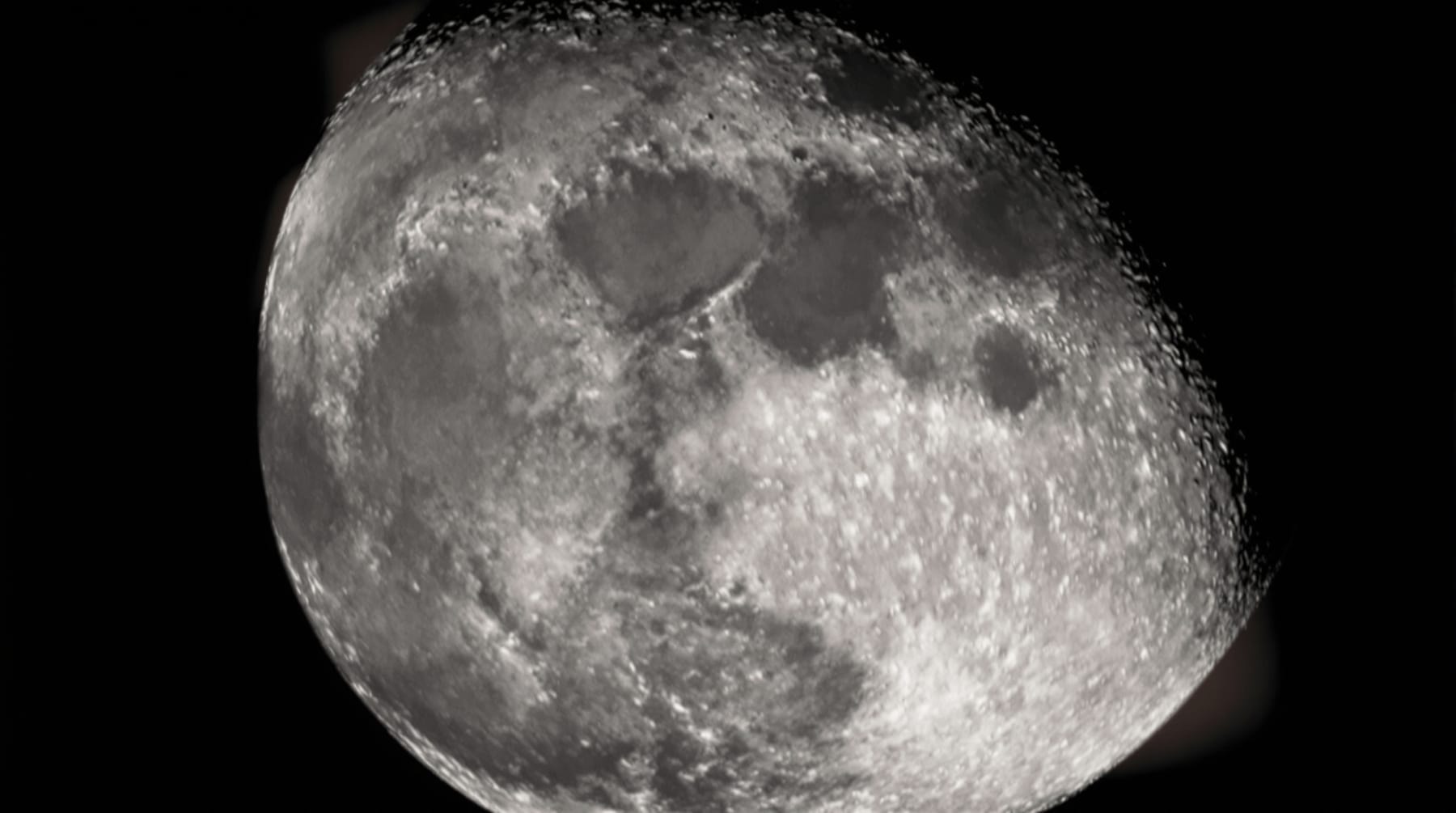
- Work around the Moon deliberately. A first-quarter Moon is the single best object for a beginner group — bright, detailed along the terminator, impressive in any instrument, and immune to light pollution. Save faint objects for a group that has already been hooked.
- Binoculars beat a telescope for a group. Several pairs mean everyone is looking at once rather than queueing, the view is right way up, and nothing needs collimating. See binoculars, telescopes and eyepieces.
- Red light only, and manage expectations. Twenty minutes of dark adaptation is a long time for a group, and the sky rewards patience in a way that is worth stating in advance.
- Dress for it. Standing still outdoors on a clear valley night is far colder than walking around on the same night.
For what to look at through the year at this latitude, see the seasonal sky guide.